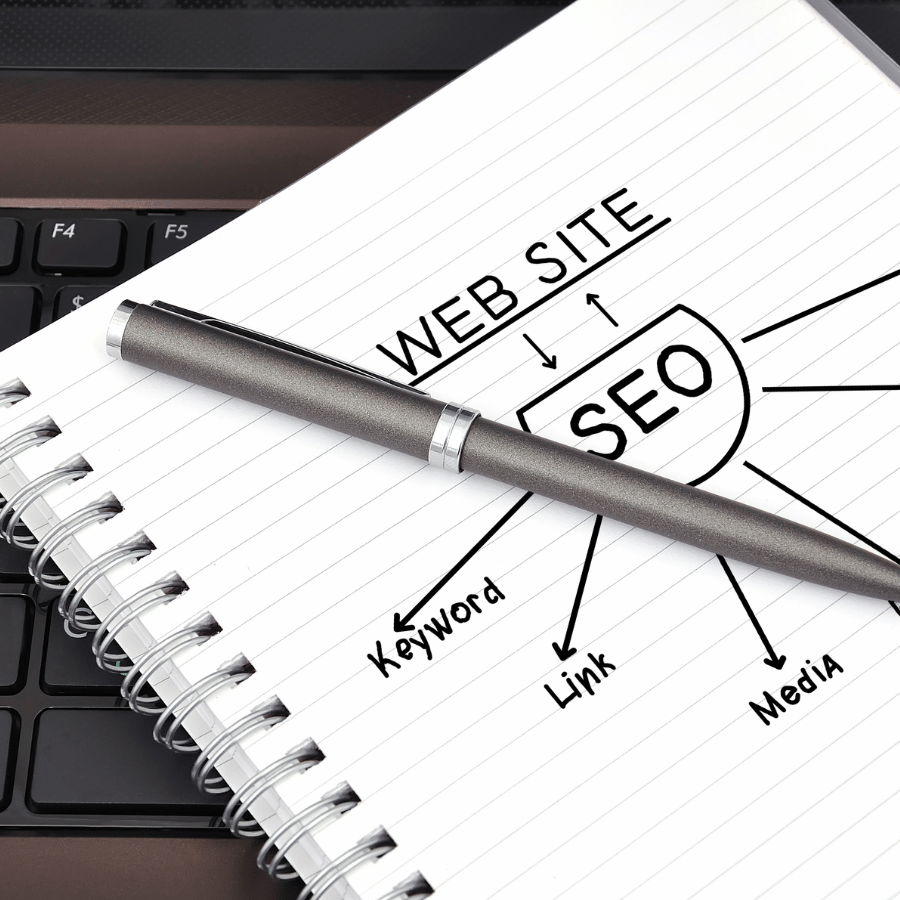
In today’s digital landscape, search engine optimization (SEO) stands as a cornerstone of online success, driving visibility, traffic, and engagement for businesses and individuals alike. As the internet continues to evolve, the numbers behind SEO reveal its undeniable power. For instance, BrightEdge reports that 53.3% of website traffic stems from organic searches, underscoring SEO’s pivotal role in connecting users with content. Meanwhile, with 75% of searchers never venturing beyond the first page of results, as noted by HubSpot, the stakes for ranking high have never been greater.
Google dominates the search engine realm with over 90% market share, making its algorithms the ultimate gatekeepers of online discoverability. From the 33% traffic boost enjoyed by the top-ranked result to the 72% of local searchers visiting nearby stores, as found in multiple studies, SEO bridges the gap between intent and action. Add in the rise of mobile searches (58% of total queries) and the projected dominance of voice search, and it’s clear: SEO is no longer optional—it’s essential.
This article dives into 20 compelling SEO statistics that illuminate its impact, offering insights into why optimizing for search engines remains a game-changer in 2025 and beyond.

1. Organic Search Drives 53.3% of Website Traffic
Stat: According to a study by BrightEdge, 53.3% of website traffic comes from organic searches, making SEO an essential factor in driving online traffic.
Why It Matters for Small Businesses: For small businesses, every visitor counts, and organic search offers a cost-effective way to attract them. Unlike paid ads, which require ongoing investment, SEO leverages free search traffic—over half of all website visits, per BrightEdge’s findings. This is a game-changer for small businesses with limited marketing budgets, as it levels the playing field against larger competitors. By optimizing their website for relevant keywords—like “local bakery” or “affordable plumbing”—small businesses can tap into this massive traffic source. More traffic means more potential customers discovering their products or services without breaking the bank. Ignoring SEO risks missing out on this dominant channel, leaving small businesses reliant on pricier alternatives or word-of-mouth alone, which may not scale. In a digital-first world, SEO isn’t just an option—it’s a lifeline for driving sustainable growth.

2. 75% of People Don’t Scroll Past the First Page
Stat: 75% of people never scroll past the first page of search engines, highlighting the importance of ranking high in search results.
Why It Matters for Small Businesses: Visibility is everything for small businesses, and this stat underscores the urgency of landing on Google’s first page. If three-quarters of searchers won’t look beyond page one, a small business buried on page two or three might as well be invisible. For example, a local florist competing with bigger chains needs that top-10 spot for “flower delivery near me” to capture those 75% of searchers. High rankings build credibility, too—customers often assume top results are the most trustworthy. Small businesses can’t afford to miss this opportunity, as it directly impacts foot traffic, online orders, and brand awareness. Investing in SEO to climb the ranks isn’t just about traffic; it’s about survival in a crowded market where being seen is the first step to being chosen.

3. Blogging Boosts Links by 97%
Stat: Companies that have a blog generate 97% more links to their website than those that don’t, showing the impact of content on SEO.
Why It Matters for Small Businesses: Links are like digital endorsements, signaling to search engines that a site is valuable and trustworthy—key factors in ranking higher. For a small business, a blog is a low-cost way to earn these links naturally. A coffee shop blogging about “best brewing tips” or a boutique sharing “seasonal fashion trends” can attract links from other sites, amplifying their SEO. This 97% increase in links translates to greater visibility and authority, helping small businesses punch above their weight. Plus, blogs keep websites fresh, which Google loves, and provide content customers can share, driving more traffic. For resource-strapped small businesses, blogging is a scalable, budget-friendly tactic to build an online presence and outshine competitors who skip content creation.

4. Google Holds Over 90% of Search Market Share
Stat: Google has over 90% of the search engine market share, making it crucial to optimize for their algorithms.
Why It Matters for Small Businesses: Google isn’t just a search engine—it’s the search engine, commanding over 90% of the market. For small businesses, this means optimizing for Google’s rules isn’t optional; it’s a must. Whether it’s a bakery targeting “gluten-free cupcakes” or a plumber aiming for “emergency repairs,” aligning with Google’s algorithms ensures they’re visible where nearly all customers are looking. Small businesses often lack the resources to experiment across multiple platforms, so focusing on Google offers the biggest bang for their buck. A Google-friendly site—fast-loading, mobile-optimized, and keyword-rich—can propel a small business to the top of local searches, where most of their customers live. Ignoring this dominance risks fading into obscurity on less-used engines like Bing or Yahoo.

5. First Position Gets 33+% of Traffic, Second Gets 18%
Stat: The first position in Google’s search results receives 33% of traffic, while the second position only gets 18%, emphasizing the significance of SEO ranking.
Why It Matters for Small Businesses: The gap between first and second place—33% versus 18%—is a stark reminder of the rewards awaiting small businesses that hit the top spot. That 15% difference could mean hundreds or thousands more clicks monthly, translating to sales for a small retailer or bookings for a service provider. For instance, a pet groomer ranking first for “dog grooming near me” captures a third of searchers, dwarfing the second-place competitor. This isn’t just about traffic—it’s about perception; customers trust the top result. Small businesses, often battling established names, need this edge to stand out. SEO efforts targeting that prime position, like refining keywords or improving site speed, can yield outsized returns, making the difference between thriving and just surviving in a competitive local market.
6. 72% of Local Searchers Visit Stores Within Five Miles
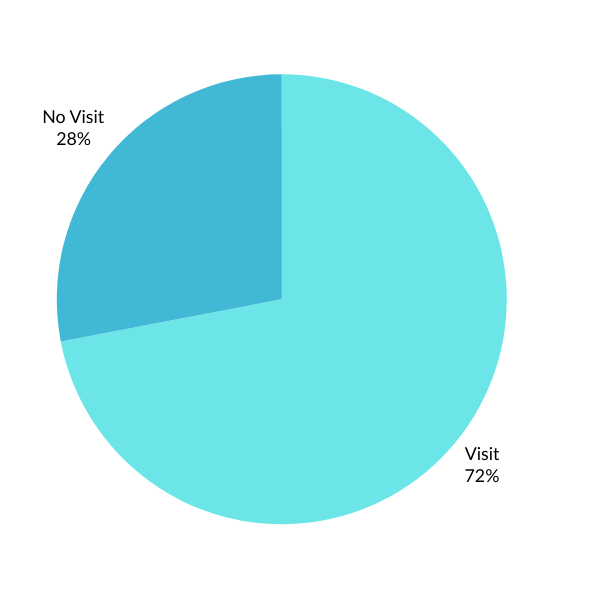
Stat: 72% of users who performed a local search visited a store within five miles, demonstrating the need for local SEO optimization.
Why It Matters for Small Businesses: For small businesses with physical locations—like cafes, gyms, or repair shops—this stat is gold. It shows that local search isn’t just about online visibility; it drives real foot traffic. When 72% of local searchers end up within five miles, optimizing for “near me” queries or city-specific keywords becomes a direct pipeline to customers. A small business can claim its Google My Business listing, add accurate hours, and encourage reviews to stand out in these searches. This is especially critical for competing with chains that have bigger ad budgets. Local SEO turns a smartphone search into a store visit, making it a low-cost, high-impact strategy for small businesses to capture nearby customers who are ready to buy now.

7. 75% of People Don’t Click Past the First Page
Stat: According to HubSpot, 75% of people don’t click past the first page of search results, indicating the importance of being in the top 10 search results.
Why It Matters for Small Businesses: This stat (echoing stat 2) doubles down on the urgency of ranking high. For small businesses, the first page isn’t just a goal—it’s a lifeline. If 75% of searchers won’t scroll further, a florist or plumber on page two is effectively invisible to most potential customers. Landing in the top 10 for terms like “best coffee shop downtown” or “emergency locksmith” means more clicks, calls, and sales. Small businesses often rely on organic reach rather than pricey ads, so SEO to secure that first-page spot is a budget-friendly way to compete. It also builds trust—customers see top results as reliable. Missing this mark risks losing three-quarters of your audience to competitors who invest in SEO.
8. Voice Search to Account for 50% of Searches by 2020
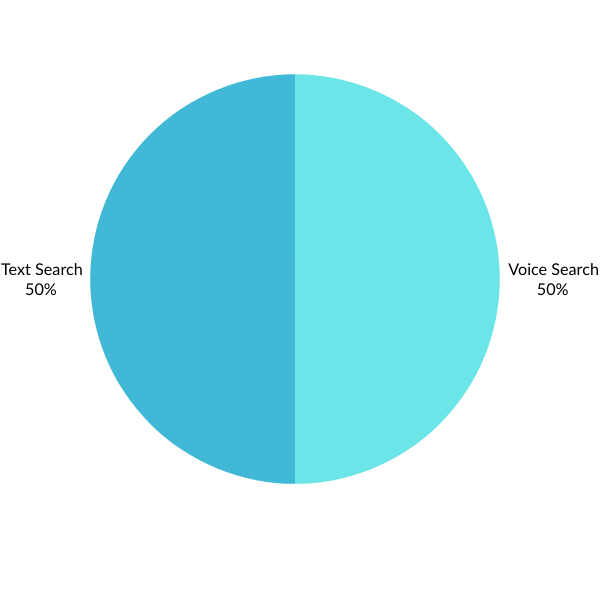
Stat: Voice search is expected to account for 50% of all searches by 2020, highlighting the need for SEO strategies that cater to voice queries.
Why It Matters for Small Businesses: Though this stat is from a 2020 projection, voice search’s growth remains relevant in 2025 as smart speakers and assistants proliferate. For small businesses, this shift means adapting to how people talk, not just type. Customers might ask, “Where’s the nearest pizza place?” instead of typing “pizza near me.” Optimizing for these conversational, long-tail keywords can put a small pizzeria or boutique ahead of the curve. Voice searchers often seek instant, local answers, so a business with a strong local SEO presence—think optimized FAQs or location pages—wins. Small businesses ignoring this trend risk losing half their search audience to competitors who sound natural in Siri’s or Alexa’s responses, making voice-ready SEO a forward-thinking must.
9. 72% of Consumers Visit Stores After Local Searches
Stat: 72% of consumers who did a local search visited a store within five miles, emphasizing the importance of local SEO for brick-and-mortar businesses.
Why It Matters for Small Businesses: This stat (matching stat 6) reinforces local SEO’s power for brick-and-mortar small businesses. That 72% of searchers turn into in-store visitors highlights a direct link between online efforts and offline sales. A small retailer or service provider—like a hair salon or hardware store—can turn a Google search into a customer walking through the door by optimizing for local intent. This means using location-specific keywords, maintaining an up-to-date Google Business Profile, and earning positive reviews. For businesses with tight margins, this is a cost-effective way to attract nearby customers who are already looking for what they offer. Skipping local SEO hands those sales to competitors who show up first.

10. Mobile Searches Dominate at 58%
Stat: Mobile searches have overtaken desktop searches, with 58% of all searches happening on mobile devices, making mobile optimization a critical part of SEO.
Why It Matters for Small Businesses: With 58% of searches on mobile, small businesses can’t afford a clunky, desktop-only site. Customers on the go—searching for “coffee near me” or “tire repair now”—expect fast, mobile-friendly experiences. A slow or hard-to-navigate site drives them to competitors. Google prioritizes mobile-optimized sites in its rankings, so a small business with a responsive design gains an edge in visibility and user satisfaction. For example, a food truck or boutique that’s easy to find and contact on mobile captures impulse buyers. Mobile optimization isn’t just technical—it’s about meeting customers where they are, ensuring small businesses stay relevant and competitive in a smartphone-driven world.

11. 50% of Users Click When Brands Appear Multiple Times
Stat: 50% of users are more likely to click on a result if the brand appears multiple times in the search results, showing the value of consistently ranking high in multiple keywords.
Why It Matters for Small Businesses: For small businesses, this stat highlights the power of presence. If a local bakery ranks for “best cupcakes,” “gluten-free desserts,” and “bakery near me,” it’s more likely to earn that click from half the searchers. Multiple appearances signal authority and reliability—crucial for small businesses building trust against bigger names. Targeting a range of relevant keywords doesn’t just boost traffic; it reinforces brand recognition. A small business can achieve this by optimizing different pages—like a homepage, blog posts, or service pages—for related terms. It’s a cost-effective way to dominate a niche, ensuring customers see them as the go-to option. Missing this opportunity leaves room for competitors to flood the results instead.

12. 93% of Online Experiences Start with a Search Engine
Stat: 93% of online experiences begin with a search engine, making SEO a crucial part of the customer journey.
Why It Matters for Small Businesses: This stat is a wake-up call: nearly every potential customer starts with a search. For small businesses, SEO isn’t just marketing—it’s the entry point to their audience. Whether someone’s looking for “affordable haircuts” or “local tax help,” that journey begins on Google. Without SEO, a small business risks being absent from this critical first step, losing out to competitors who show up. Optimizing a website to meet these searchers—through keywords, fast load times, and clear info—puts small businesses in front of 93% of online shoppers or clients. It’s especially vital for those with limited ad budgets, as organic search offers a free shot at visibility. SEO turns a search into a sale, making it indispensable for growth.
13. First Organic Result Has a 31.7% Click-Through Rate
Stat: The average click-through rate (CTR) for the first organic result is 31.7%, highlighting the importance of ranking first in search results.
Why It Matters for Small Businesses: Landing the top spot isn’t just bragging rights—it’s a traffic goldmine. A 31.7% CTR means nearly a third of searchers click the first result, dwarfing lower ranks. For a small business, like a pet store targeting “dog food delivery,” this could mean hundreds more visitors monthly, translating to sales. Customers trust the top result, giving small businesses a chance to compete with bigger players. Achieving this requires sharp SEO—think precise keywords, compelling meta descriptions, and a stellar site experience. The payoff is huge: more clicks mean more leads without ad spend. For small businesses, where every dollar counts, snagging that 31.7% is a budget-friendly way to maximize reach and revenue.

14. First Page Captures 92% of Search Traffic
Stat: Brands that appear on the first page of Google get 92% of all traffic from the average search, making first-page ranking a top priority for SEO.
Why It Matters for Small Businesses: If 92% of traffic stays on page one, small businesses can’t afford to be anywhere else. A second-page ranking might as well be no ranking—only 8% of searchers bother looking further. For a small retailer or service provider, like a yoga studio aiming for “yoga classes near me,” first-page status means grabbing almost all the clicks. This is about survival: more traffic equals more customers, especially for businesses relying on local or niche markets. SEO tactics—local listings, quality content, fast sites—push them onto page one, leveling the field against giants. Without it, they’re invisible to 92% of their audience, handing business to competitors who prioritize search visibility.

15. 70% of Marketers Say SEO Beats Other Tactics for Leads
Stat: 70% of marketers say that SEO is more effective in generating leads than any other marketing tactic.
Why It Matters for Small Businesses: Marketers’ trust in SEO—70% rating it tops for leads—speaks volumes for small businesses. Leads are the lifeblood of growth, and SEO delivers them better than ads, social media, or email. Why? It targets people already searching for what a business offers, like “custom cakes” or “roof repairs.” For a small business with a tight budget, this efficiency is a game-changer—no wasted spend on uninterested audiences. A well-optimized site can turn searches into phone calls or orders, outpacing pricier alternatives. This stat validates SEO as a small business’s best bet for sustainable, high-quality lead generation, proving it’s not just hype—it’s a proven path to success.

16. 46% of Google Searches Seek Local Information
Stat: 46% of all Google searches are looking for local information, making local SEO optimization essential for businesses targeting a specific geographic area.
Why It Matters for Small Businesses: Nearly half of Google searches are local, and for small businesses with a geographic focus—like a diner or a repair shop—this is a golden opportunity. Customers typing “dentist near me” or “coffee shop downtown” are ready to act, and local SEO ensures a small business shows up. Optimizing for location-specific keywords, claiming a Google My Business profile, and gathering reviews can put them at the top of these searches. This isn’t just about visibility; it’s about capturing a huge chunk of intent-driven traffic—46% of searchers—who often convert quickly. For small businesses, local SEO is a low-cost way to dominate their area, outshining competitors who overlook this massive, location-hungry audience.
17. 61% of Marketers Prioritize SEO and Organic Growth
Stat: 61% of marketers say improving SEO and growing their organic presence is their top inbound marketing priority.
Why It Matters for Small Businesses: When 61% of marketers—experts in driving business—put SEO first, small businesses should take note. Organic growth through SEO is a sustainable, cost-effective strategy, perfect for those without big ad budgets. It’s about building a presence that lasts, not just buying temporary clicks. For a small retailer or service provider, prioritizing SEO means investing in a website that ranks for “best florist” or “emergency plumber,” drawing steady leads over time. Marketers know it works—leads from organic search are often warmer and cheaper than other channels. Small businesses adopting this priority can grow without breaking the bank, aligning with proven tactics to compete in a crowded market.

18. 70-80% of Users Focus on Organic Results
Stat: 70-80% of search engine users are only focusing on the organic results, indicating the importance of investing in SEO and not just paid advertisements.
Why It Matters for Small Businesses: If up to 80% of searchers skip paid ads for organic results, small businesses relying solely on pay-per-click are missing the boat. Organic rankings—earned through SEO—carry more trust and cost nothing per click, a boon for tight budgets. A small café ranking naturally for “best brunch spot” grabs most of that 70-80% without ongoing ad spend. Investing in SEO builds a foundation that keeps delivering, unlike ads that stop when the money does. For small businesses, this stat screams opportunity: focus on content, keywords, and site quality to win the majority of searchers who value authenticity over paid promotion.

19. Top Five Results Get 75% of Clicks
Stat: The top five search results get 75% of all clicks, further emphasizing the importance of ranking high in the search results.
Why It Matters for Small Businesses: Three-quarters of clicks go to the top five spots, leaving crumbs for everyone else. For small businesses, this makes ranking high a do-or-die mission. A boutique aiming for “summer dresses” or a mechanic targeting “car repair near me” needs to crack that top five to snag 75% of the action—think more customers, more sales. It’s not just volume; top rankings signal credibility, critical for small players against big brands. SEO efforts like optimizing pages, earning links, and speeding up sites push them into this elite group. Falling short means losing most of the pie to competitors who climb higher, making high rankings a small business’s ticket to relevance.
20. Blogging Yields 434% More Indexed Pages
Stat: Companies that blog have 434% more indexed pages, which results in higher visibility and more potential for organic traffic through search engines.
Why It Matters for Small Businesses: Blogging isn’t just storytelling—it’s an SEO superpower. With 434% more indexed pages, a small business multiplies its chances to rank for diverse keywords. A pet store blogging about “puppy training tips” or “best cat toys” creates hundreds of entry points for searchers, boosting visibility far beyond a static site. More pages mean more traffic potential, all without ad spend—perfect for lean budgets. Google loves fresh content, and each post can target niche queries customers ask, driving organic growth. For small businesses, this is a scalable way to outpace rivals, build authority, and turn a website into a traffic magnet.
Conclusion
The 20 SEO statistics highlighted in this article paint a vivid picture of a dynamic, ever-evolving field that continues to shape the digital world in 2025. With 93% of online experiences beginning with a search engine and 70-80% of users prioritizing organic results over paid ads, SEO’s influence is undeniable.
The numbers don’t lie: ranking in the top five search results captures 75% of clicks, while the coveted first spot boasts a 31.7% click-through rate. Beyond rankings, content remains king—companies blogging regularly see 434% more indexed pages and 97% more inbound links, amplifying their organic reach. Local SEO proves its worth as 46% of Google searches seek local information, driving foot traffic to businesses within five miles for 72% of searchers.
As mobile searches dominate at 58% and voice search gains traction, adaptability is key. Marketers agree, with 61% naming SEO their top priority and 70% citing it as the most effective lead-generation tool. These stats affirm that investing in SEO isn’t just a strategy—it’s a necessity for staying competitive. In a world where visibility equals viability, mastering search optimization remains the linchpin of digital triumph.
